7 Hidden Habits Destroying Your Plumbing
Home Maintenance, Plumbing Tips
7 Things That Are Secretly Destroying Your Plumbing
Your plumbing works hard every day, quietly keeping water flowing where it should. But common habits and “little” mistakes can slowly damage pipes, drains, and fixtures—leading to leaks, clogs, and expensive repairs. Here are seven hidden plumbing destroyers to watch for in your home.
1. Treating Your Toilet Like a Trash Can
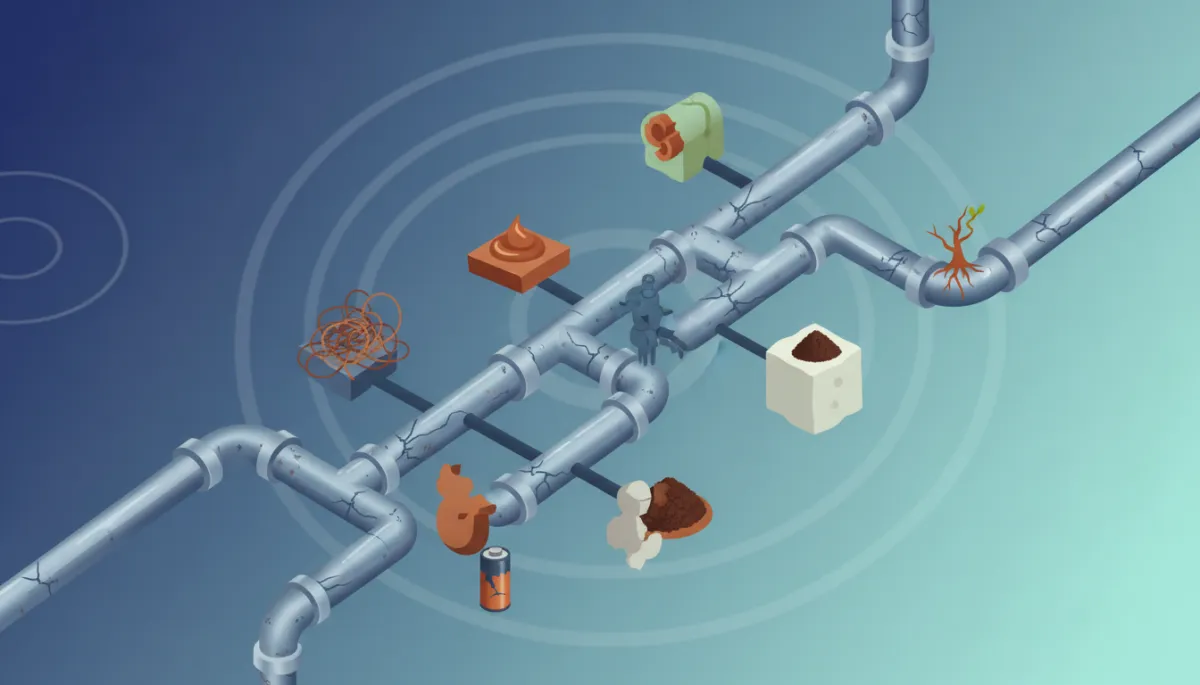
Toilets are designed for human waste and toilet paper—nothing else. “Flushable” wipes, paper towels, cotton pads, dental floss, and feminine products do not break down the way toilet paper does. They can snag inside pipes, build up over time, and create stubborn clogs that may require professional equipment to clear. Even if they disappear when you flush, they could be forming a blockage further down the line or in your main sewer pipe.
2. Pouring Grease and Oil Down the Sink
Hot cooking grease seems harmless when it’s liquid, but as it cools it solidifies and sticks to the inside of your pipes. Add in food particles, soap scum, and coffee grounds, and you have the perfect recipe for a serious clog. Over time, grease buildup can narrow the pipe so much that even normal water flow struggles to get through, causing slow drains, backups, and unpleasant odors in your kitchen. Always let grease cool and dispose of it in the trash instead.
3. Overusing Chemical Drain Cleaners
When a drain slows, it’s tempting to grab a bottle of chemical drain cleaner. While these products can sometimes clear minor clogs, their harsh ingredients can also eat away at your pipes—especially older metal or thin-walled plastic lines. Repeated use may weaken joints, cause leaks, and damage seals inside fixtures. A safer approach is to use a plunger, drain snake, or call a professional plumber who can clear the blockage without harming your plumbing system.
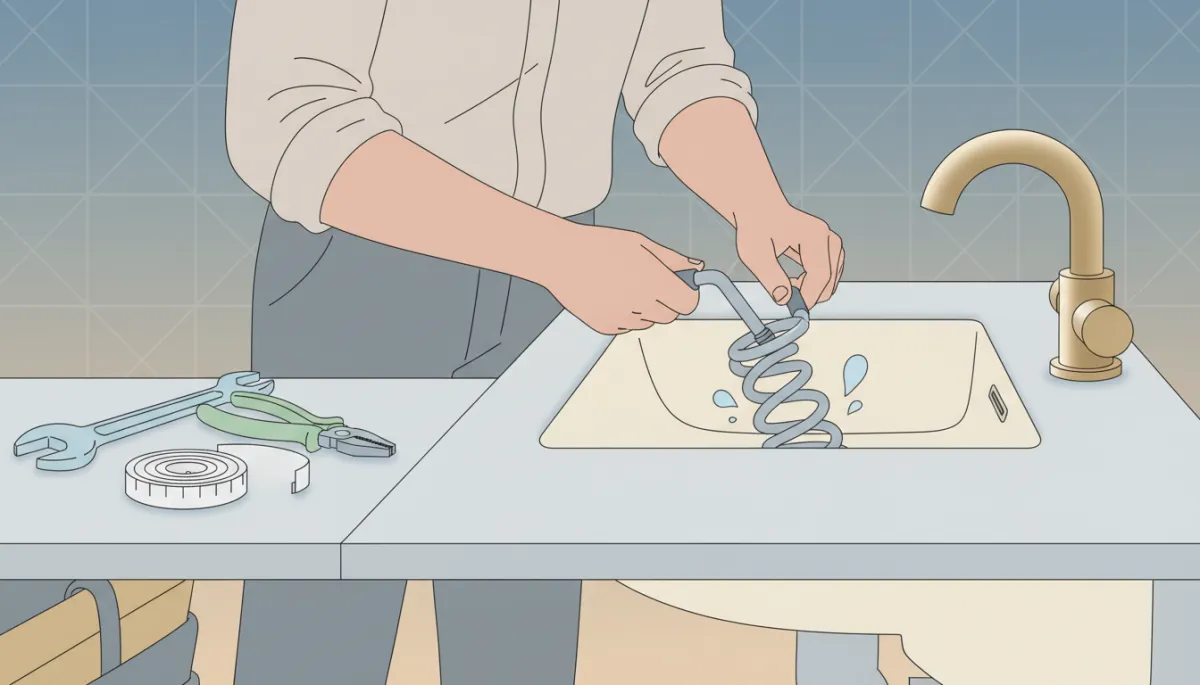
Mechanical drain cleaning protects pipes far better than harsh chemical cleaners.
4. Ignoring Small Leaks and Drips
A slow drip from a faucet or a tiny puddle under the sink might not feel urgent, but it’s a warning sign. Small leaks can quickly turn into bigger problems: water damage inside cabinets and walls, mold growth, warped wood, and higher water bills. They can also indicate failing seals or corroded pipes that may eventually burst. Addressing leaks early is almost always cheaper and less disruptive than waiting for a full-blown plumbing emergency.
5. Cranking Up the Water Pressure Too High
Strong water pressure can feel great in the shower, but excessive pressure is hard on your plumbing. Over time, it stresses pipes, valves, and appliances like water heaters, dishwashers, and washing machines. This can lead to leaks, burst hoses, and premature wear. If you hear banging pipes when turning water on or off, or if your pressure seems unusually strong, a plumber can test it and install a pressure-reducing valve if needed to keep your system in a safe range.
6. Letting Hair and Soap Scum Build Up in Drains
Bathroom sinks, tubs, and showers are especially vulnerable to hair and soap buildup. Hair tangles and traps other debris, while soap scum hardens along pipe walls, slowly shrinking the opening. The result is slow drains, standing water, and recurring clogs that can reach deeper into your plumbing system. Simple, inexpensive drain screens and regular cleaning can prevent most of this buildup and keep water flowing freely.
7. Tree Roots Sneaking Into Underground Pipes
Outside your home, tree and shrub roots naturally seek moisture—and your underground sewer or water lines are an ideal target. Tiny cracks or loose joints in older pipes allow roots to slip in, where they grow and create major blockages or even break the pipe entirely. Signs can include frequent clogs, gurgling toilets, or wet spots in the yard. Professional plumbers can inspect with cameras, cut out roots, and recommend repairs or pipe replacement when necessary.
💡 Pro Tip: Know where your main water shut-off valve is located and how to use it. Shutting off water quickly during a leak can dramatically reduce damage.
Protect Your Plumbing Before Problems Get Expensive
A few simple changes—throwing wipes in the trash, keeping grease out of sinks, using drain screens, and avoiding harsh chemicals—can dramatically extend the life of your plumbing. Just as important is knowing when to call in a professional. If you’re dealing with recurring clogs, slow drains, worrying leaks, or signs of root intrusion, it’s time for expert help.
For reliable, local support, explore residential plumbing services that can inspect, maintain, and repair your system before small issues turn into big surprises. Taking action now will help keep your home comfortable, safe, and free from plumbing disasters.
