Step-by-Step Guide: Handling Burst Pipes at Home
Home Repair, Burst Pipe, Emergency Plumbing
What to Do If a Pipe Bursts in Your Home: A Step-by-Step Guide
A burst pipe can turn an ordinary day into a stressful emergency within minutes. Knowing exactly what to do, step-by-step, can limit water damage, protect your belongings, and make home repair easier and less expensive.
Step 1: Stay Safe and Shut Off the Water Supply
When you notice a burst pipe or major pipe leak, your first priority is safety. Avoid standing in water near electrical outlets, appliances, or extension cords. If you can safely reach it, shut off the main water valve to stop the flow and prevent further water damage. In many homes, this valve is located in a basement, utility room, garage, or outside near the street.
💡 Pro Tip: Locate and label your main shutoff valve before an emergency plumbing situation happens so everyone in the household knows where it is.
Step 2: Turn Off Electricity If Water Is Near Outlets or Appliances
If the burst pipe has soaked floors, walls, or ceilings near electrical outlets or large appliances, switch off power to the affected area at your breaker box. Do this only if you can reach it without walking through standing water. This reduces the risk of electric shock while you deal with the leak and begin home repair tasks.
Step 3: Call an Emergency Plumbing Professional
Once the immediate danger is under control, contact an emergency plumbing service. Explain that you have a burst pipe, where it is located, and how severe the water flow has been. Professional plumbers can quickly repair or replace damaged sections, assess hidden pipe leaks, and advise on next steps to prevent additional water damage. Keep the plumber’s number in your phone and on a visible fridge magnet for quick access.
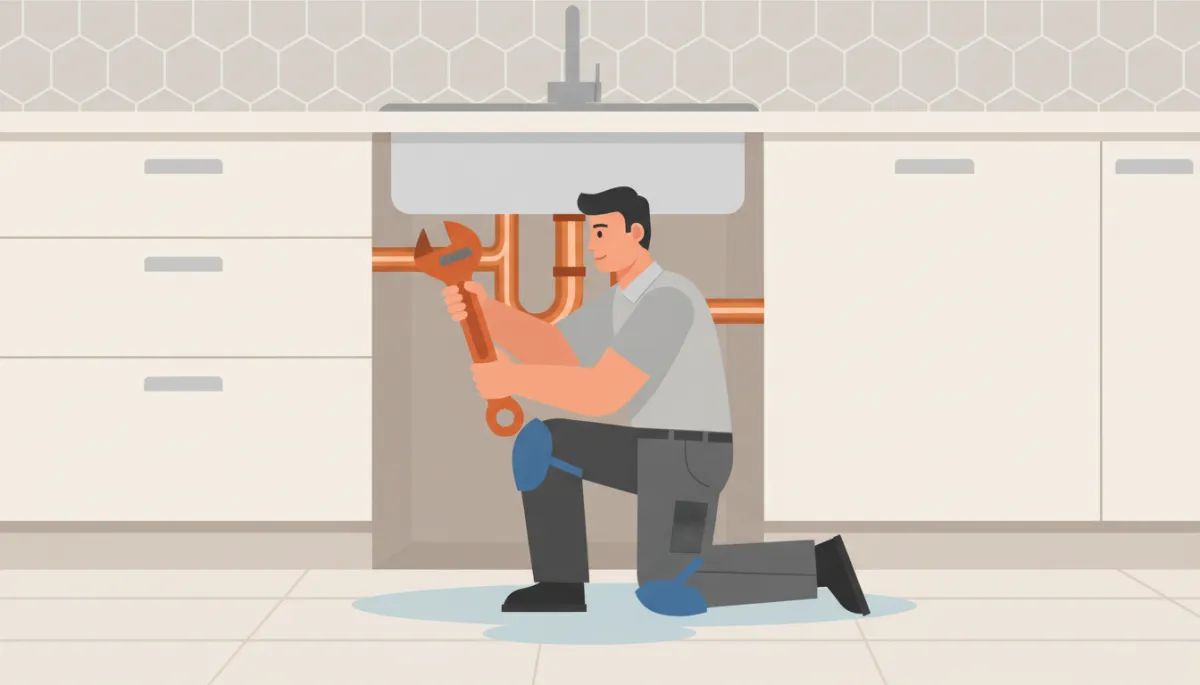
A qualified plumber can stop the leak quickly and prevent deeper structural damage.
Step 4: Reduce Water Damage Immediately
While you wait for help, begin basic cleanup to limit water damage. Use towels, mops, or a wet/dry vacuum to remove standing water. Move furniture, rugs, and electronics out of the affected area. Open windows and doors if weather allows, and use fans or dehumidifiers to start drying surfaces. Acting quickly can prevent warped flooring, stained walls, and mold growth that complicate home repair later.
📌 Key Takeaway: The faster you remove moisture, the less likely you are to face long-term water damage and expensive restoration.
Step 5: Document the Damage for Insurance Purposes
Before throwing anything away, take clear photos and videos of the burst pipe, affected rooms, and damaged belongings. Note the date, time, and how the pipe leak started if you know the cause. This documentation can support an insurance claim and help you recover costs for emergency plumbing, drying, and home repair work. Save receipts from any immediate purchases, such as fans, dehumidifiers, or temporary lodging.
Step 6: Plan and Complete Necessary Home Repairs
After the burst pipe is fixed, focus on restoring your home. This may involve replacing drywall, insulation, flooring, or baseboards that were soaked. In some cases, you might hire a water damage restoration company to handle deep drying and sanitizing. Proper home repair ensures that hidden moisture does not lead to mold, odors, or structural issues months later. Ask your plumber or contractor to check for other weak spots that could cause future pipe leaks.
Step 7: Put Preventive Measures in Place for the Future
Once the crisis has passed, take time to reduce the chances of another burst pipe. Effective preventive measures include:
Insulating exposed pipes in basements, crawl spaces, and garages to protect them from freezing temperatures.
Keeping your home heated above freezing, even when you are away in winter, and opening cabinet doors to let warm air reach pipes.
Scheduling regular plumbing inspections to catch early signs of a pipe leak, corrosion, or poor water pressure.
Installing smart leak detectors or automatic shutoff valves that alert you to water flow changes and can stop leaks before they spread.
Turning a Plumbing Emergency into a Managed Situation
A burst pipe is always stressful, but it does not have to become a disaster. By following a clear step-by-step plan—shutting off water, staying safe, calling emergency plumbing professionals, minimizing water damage, documenting everything, completing thorough home repair, and investing in preventive measures—you protect both your property and your peace of mind. Preparing now ensures that if a pipe ever bursts in your home, you will know exactly what to do next.
