Detect Water Leaks: Read Your Water Meter
Home Maintenance, Water Leaks
How to Read Your Water Meter to Detect a Leak at Home
A hidden water leak can quietly waste thousands of litres of water and leave you with an expensive surprise on your next bill. Learning how to read your water meter is one of the simplest ways to spot a problem early, protect your home, and avoid unnecessary costs.
Why Your Water Meter Is the Best Leak Detective You Have
Your water meter is more than a device that helps the utility calculate your bill. It is also a powerful tool for spotting hidden leaks in pipes, toilets and appliances you rarely look at. When you know how to read it properly, you can tell whether water is flowing when every tap in your home is turned off, which is a strong sign of a leak somewhere in the system.
Step 1: Find Your Water Meter and Main Shut-Off Valve
In most homes, the water meter is located either in a small box outside near the street, on an external wall, or inside a basement or utility cupboard where the main water line enters the property. Lift the cover or open the panel carefully and brush away any dirt so you can clearly see the numbers and dials.
While you are there, locate your main shut-off valve. Knowing where this is will help you quickly stop the water supply if you discover a major leak or burst pipe later on.
Step 2: How to Read Your Water Meter Correctly
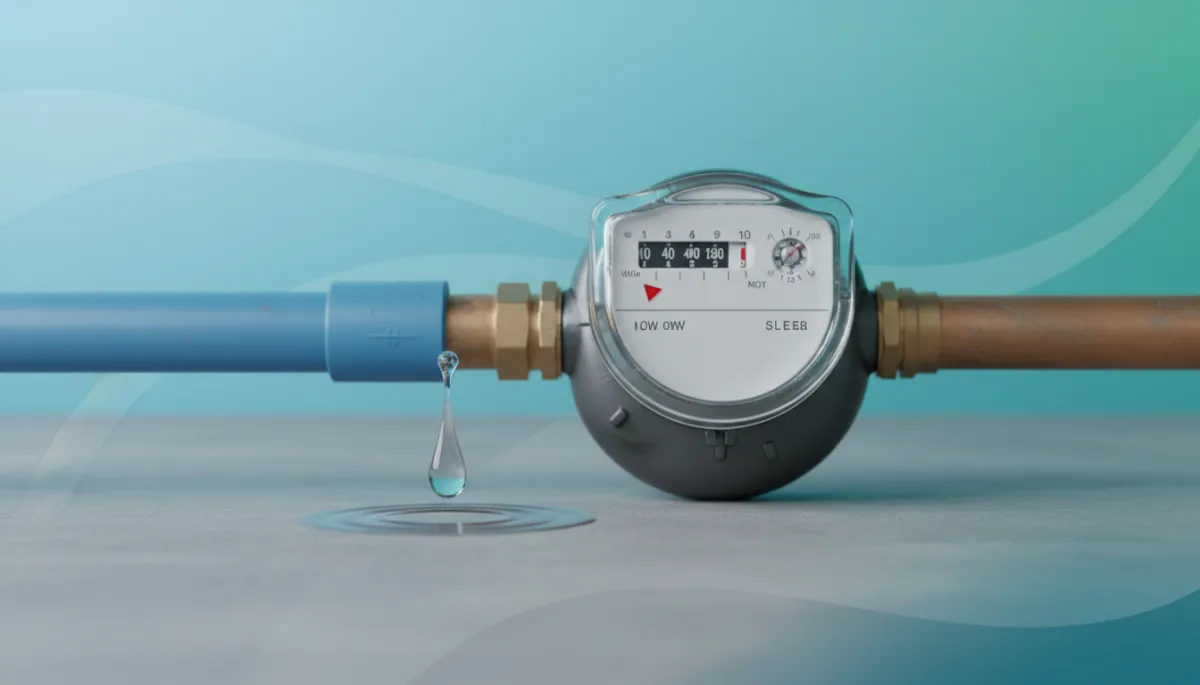
Most residential water meters display usage in cubic metres or litres. You will usually see a row of numbers, similar to an odometer, and sometimes small rotating dials or a tiny “leak indicator” shaped like a triangle, star, or wheel. Here is how to make sense of what you are looking at:
Main numbers: These record your total water usage over time. Note these down to compare with future readings and your bill.
Small red numbers or dials: These measure smaller volumes, often in litres. They are useful for short leak tests because they move quickly when water flows.
Leak indicator: If your meter has one, it should be completely still when no water is being used. Any movement suggests water is flowing somewhere on your property.
💡 Pro Tip: Take a clear photo of your meter before and after tests so you can double-check readings later without crouching over the box again.
Step 3: Use Your Meter to Detect a Leak at Home
Once you understand the basics of your meter, you can use it to check for leaks with a simple test. This works best when nobody needs to use water for at least 30–60 minutes, such as late evening or early morning.
Turn off all water use inside and outside. Make sure taps, showers, garden hoses, washing machines, and dishwashers are all off. Remind family members not to flush toilets or run water during the test period.
Take an initial meter reading. Write down or photograph the main numbers and look closely at the leak indicator or small dials.
Wait at least 30 minutes. During this time, there should be no water usage at all. If you suspect a very small leak, waiting a full hour or more gives clearer results.
Check the meter again. If the numbers have increased or the leak indicator has been moving, water is flowing somewhere even though everything is turned off. That usually means a leak on your side of the meter.
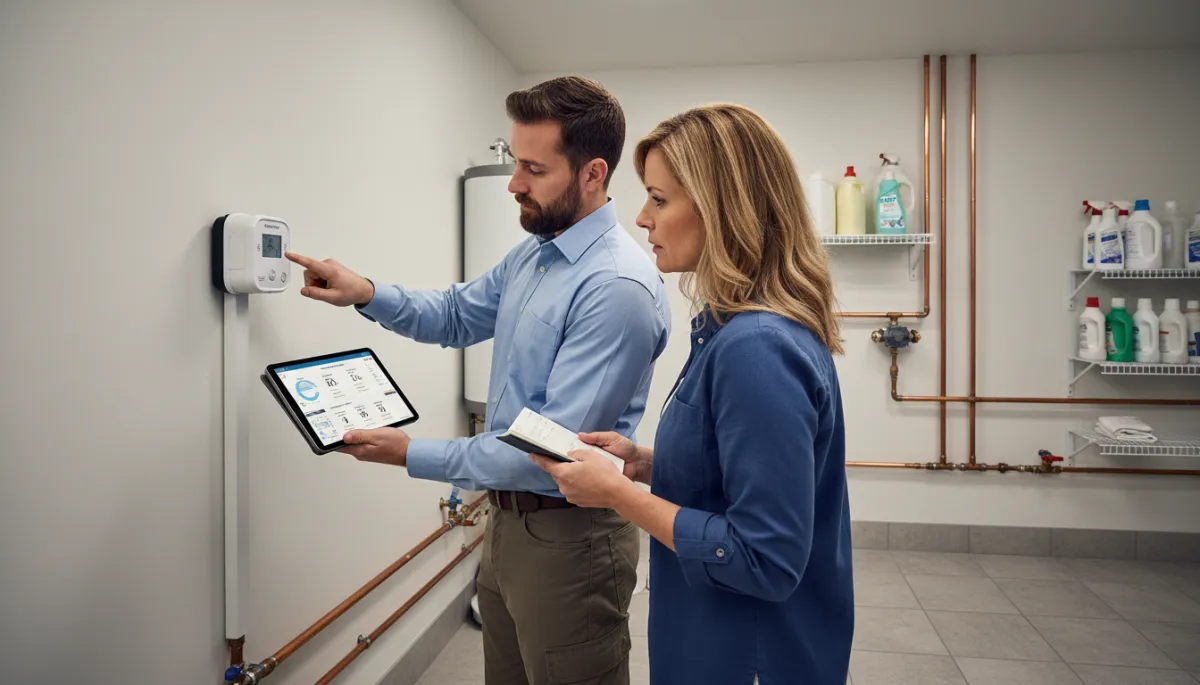
Comparing meter readings over time helps pinpoint hidden leaks before they cause damage.
Narrowing Down the Source of a Leak
If your test shows that water is still being used, the next step is to work out whether the leak is inside the house, underground, or in an outside fixture. An easy way to do this is to turn off the internal stop tap or isolation valve that feeds your home, then repeat the meter test. If the meter stops moving with the internal valve closed, the leak is likely somewhere inside your property. If it continues, the problem might be in the supply line between the meter and your home, which usually needs professional attention.
Common culprits include constantly running toilets, dripping taps, leaking hot water systems, and underground pipework. Listen for hissing sounds, check for damp patches on walls or ceilings, and look for unusually green or wet areas in the garden that never seem to dry out.
When to Call a Professional Plumber
While basic checks are easy to do yourself, some leaks are buried in walls, floors, or underground pipes and require specialist equipment to locate and repair safely. If your meter test shows ongoing water usage, but you cannot see an obvious source, or if you notice damp, mould, or a sudden spike in your bill, it is wise to bring in an expert before the damage worsens.
A qualified plumber can carry out pressure tests, use acoustic listening devices, and inspect your system end‑to‑end to find the problem quickly. For help with leak detection, repairs, and all types of household pipework, explore professional general plumbing services that are tailored to keep your home safe, dry, and efficient.
Protect Your Home with Regular Meter Checks
Taking a few minutes each month to read your water meter and run a simple leak test can save you money, conserve water, and prevent serious damage to your property. Once you know what to look for, your meter becomes an early warning system, alerting you to hidden issues long before they turn into emergencies. Combine these checks with timely professional support when needed, and you will have far greater control over your home’s water usage and peace of mind.
