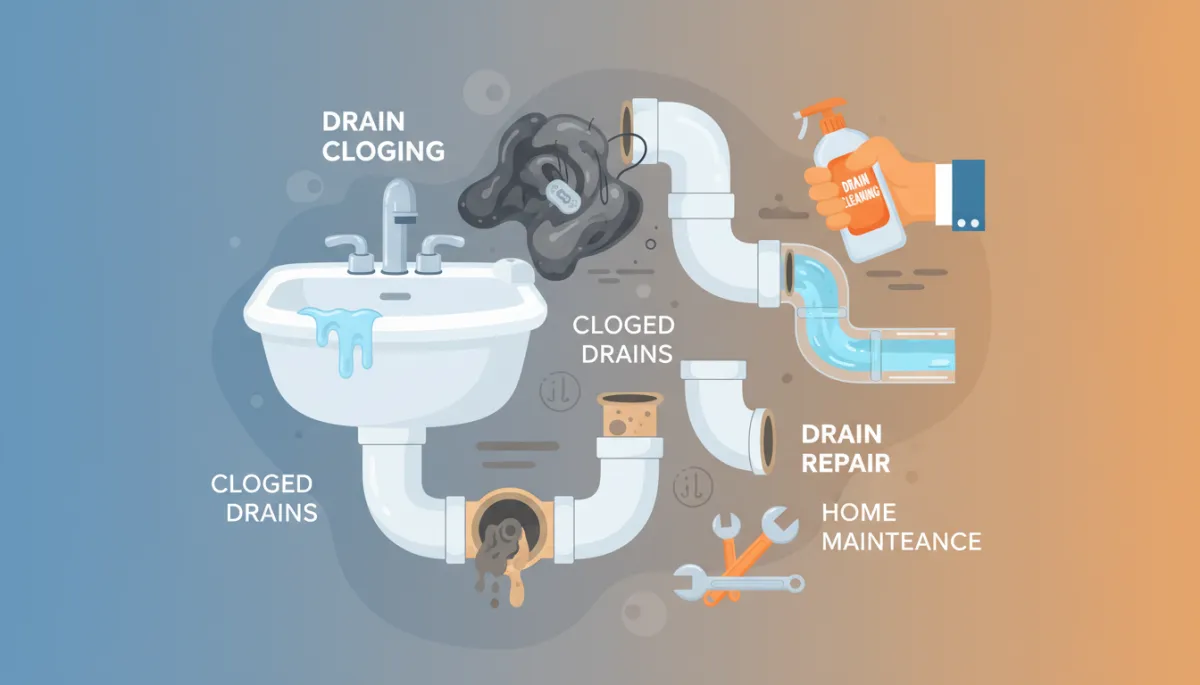
Why Does My Drain Keep Clogging? Causes & Fixes
Home Maintenance, Drain Clogging, Plumbing Issues
Why Does My Drain Keep Clogging? (Causes + Fixes)
If you feel like you’re constantly battling clogged drains, you’re not alone. Recurring drain clogging is one of the most common home maintenance headaches, but understanding the real causes makes it much easier to fix the problem for good.
1. Why Does My Drain Keep Clogging?
When a drain clogs once, it’s annoying. When it clogs again and again, it’s a sign of a deeper plumbing issue. Recurring clogged drains usually mean one of three things:
Something is repeatedly entering the drain that shouldn’t be there (like grease or hair).
A partial blockage deeper in the plumbing never fully cleared during past drain cleaning attempts.
There’s a bigger problem with the pipes themselves, such as damage, poor slope, or tree roots.
The good news: once you identify what’s really causing your clogged drains, you can choose drain repair and maintenance steps that actually last, instead of relying on quick fixes that only work for a few days.
2. Common Causes of Recurring Drain Clogging
Kitchen Sink: Grease, Food, and Soap Scum
In the kitchen, the biggest culprits behind clogged drains are grease, oil, and food particles. Even if you rinse with hot water, cooled grease hardens on the inside of your pipes, creating a sticky coating that catches crumbs, coffee grounds, and other debris. Over time, this sludge narrows the pipe and leads to slow draining and repeated blockages.
Bathroom Sink and Shower: Hair and Product Build-Up
In bathrooms, hair is the number one cause of drain clogging. Hair tangles around the drain stopper and inside the pipe, then traps soap scum, shaving cream, and toothpaste. The result is a dense, slimy clog that keeps coming back unless it’s fully removed and prevented from reforming.
Toilet: “Flushable” Wipes and Non-Flushable Items
Many recurring toilet clogs are caused by products labeled as flushable that don’t actually break down like toilet paper. Wipes, cotton pads, sanitary products, and paper towels can snag in the drain line and form stubborn blockages that simple plunging won’t solve for long.
Deeper Plumbing Issues: Scale, Sagging Pipes, and Tree Roots
Sometimes the problem isn’t what you’re sending down the drain, but the condition of the plumbing itself. In older homes, mineral scale can coat the inside of pipes, leaving little room for water and waste to flow. Sagging sections of pipe, known as “bellies,” collect debris. Outside, tree roots can invade sewer lines through tiny cracks, catching everything that passes and causing frequent clogged drains throughout the house.
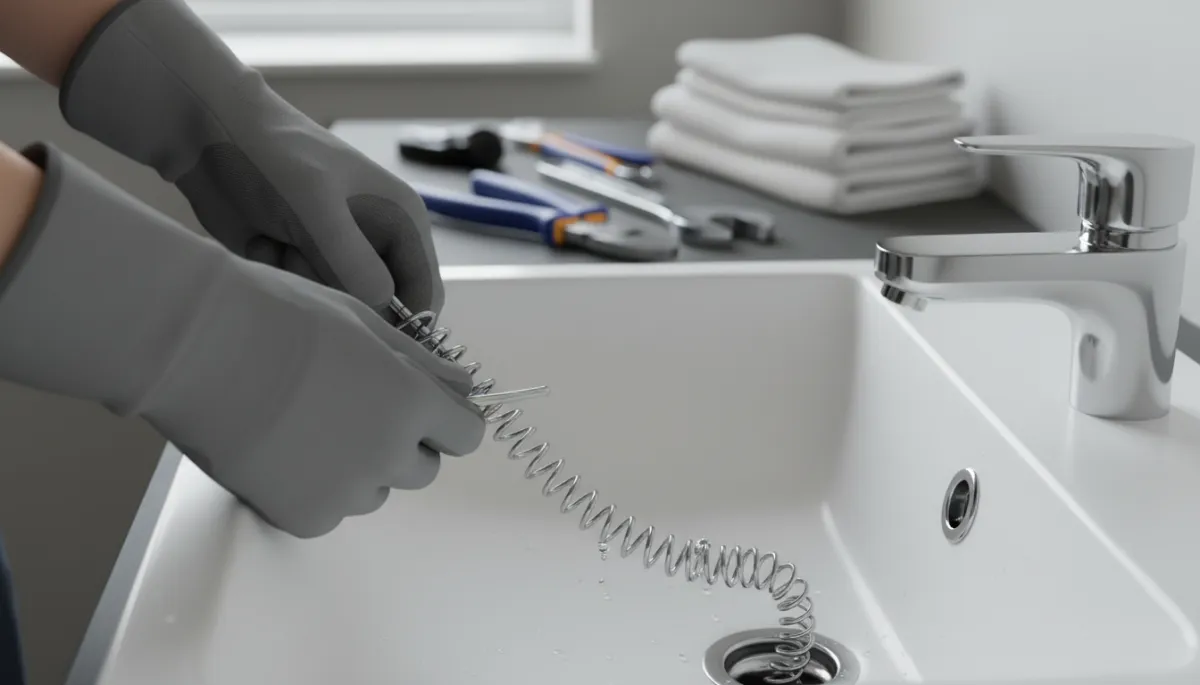
Mechanical drain cleaning removes deep build-up that chemical cleaners often leave behind.
3. Fixes: How to Stop Drains from Clogging Again
Gentle DIY Drain Cleaning for Minor Clogs
For slow drains and light build-up, start with simple, low-risk options:
Remove and clean the drain stopper or strainer to clear trapped hair and debris.
Use a basic plunger on sinks, tubs, or toilets to dislodge small blockages.
Try a plastic drain hair tool to hook and pull out hair from bathroom drains.
💡 Pro Tip: Avoid overusing harsh chemical drain cleaners. They may temporarily clear a clog but can damage pipes and don’t address deeper plumbing issues that cause recurring blockages.
When to Call a Professional Plumber
If the same drain keeps clogging, or if multiple fixtures back up at once, it’s time to bring in a professional. A licensed plumber can perform a thorough drain cleaning using specialized equipment, such as motorized snakes or hydro jetting, to remove heavy build-up, roots, and long-standing obstructions. They can also inspect your pipes with a camera to spot cracks, low spots, or other damage that might require drain repair rather than another quick clear-out.
Simple Habits to Prevent Future Clogged Drains
Long-term success comes from combining proper drain repair with smart home maintenance habits:
Scrape food into the trash and pour grease into a container, never down the sink.
Use drain screens in showers and tubs to catch hair before it enters the drain line.
Flush only toilet paper—no wipes, cotton pads, or hygiene products, even if labeled “flushable.”
Schedule periodic professional drain cleaning if you live in an older home or have a history of plumbing issues.
Final Thoughts
Recurring drain clogging is more than a minor nuisance—it’s a signal your plumbing system needs attention. By learning the main causes of clogged drains and choosing the right fixes, you can protect your home, avoid emergency call-outs, and keep water flowing smoothly. A mix of smart daily habits, timely drain cleaning, and, when needed, professional drain repair will help ensure your drains stay clear for the long term.
